Mission

The mission of the Program for Assistive Technologies for Underprivileged (PATU) is to allow students to practice engineering skills while they develop strong communication and teamwork skills, gain global perspective, and learn social responsibility through projects for persons with disabilities that otherwise could not afford assistance.

Tuesday, June 7, 2011

CEPLAC, PROSSI, and PREP

CEPLAC is a nature reserve dedicated to research of and preservation of the Brasilian rainforest, cacao, rubber, and sloths. We started our day by observing the sloth reservation (for lack of a better word), where a special lady has dedicated her life to the rehabilitation of sloths who have been harmed. They currently have 26 sloths at the preserve, the majority of whom have been hurt by humans in some way (electrocution, deforestation, etc). She works to get them back to health, and then, if/when they are ready, to return them to the wild.


We then went to learn about how cocoa is made from cacau. After the nuts have been removed from the fruit (which apparently is quite tasty), they are fermented for several days to bring out their taste. Then they are dried in the sun. These little shacks where they are dried are very cool--they have roofs on slides so they can easily be covered if it rains! Then the nuts are separated into shell and nib. The nib is then processed into different raw products used in the chocolate we buy.


After leaving CEPLAC, we stopped at a bulk foods store where everyone bought massive amounts of Brasilian candy and cookies to bring home. For lunch, we went to a Brasilian steakhouse, which was quite an interesting experience! They had a great salad bar, but the MEAT is really what is phenomenal. They just come around constantly with giant skewers of meat and cut off chunks for you if you say "sim." We all thought we were going to burst from eating too much, but it was so good!

While we were still sluggish from eating so much at lunch, we proceeded to our first clinic, PROSSI. PROSSI is a PT/OT clinic for elderly with Parkinson's disease, Alzheimers, or Osteoporosis. It was interesting to learn that these clinics are government-run, open to all, but are severely under funded and just simply don't have the materials they should to properly care for patients. We've already started thinking of other devices we can work on for them, and the fundraising efforts needed to get them some simple supplies they could desperately use. For example, their exam tables are, at best, uncomfortable and barely adequate, but physicians and clinics in the US discard better quality mats and tables ALL THE TIME. The trick is-how do we get them here? It will take a bit of work to raise the money to ship such large items.


We concluded the day by taking an hour to prepare for the next few days. We got out our devices, tested them, set them up, and played around with them to make sure there wasn't any damage during our travels, get the "thumbs-up" from our OT Christine, and to make sure everyone understands all components of their projects (since some were done at each school, but not EVERYONE is on the trip). Tomorrow begins the real work for us--we will be doing what we came here to do--deliver and adjust the devices that we designed during the spring semester.


Monday, June 6, 2011

Brasilian sustainability concepts and a bus tour through the mountains of Bahia


Today we took a long bus trip up in the mountainous rain forest to the "base" of an association called "AGRI" or the "Guardian Association of the Pratigi APA" (http://www.pratigi.org/portal/index.php?lang=us). Pratigi is a special region of the state of Bahia in Brasil that is rich in African heritage. Over 70% of residents in Bahia are of African decent. Unfortunately, the majority of these people live beneath poverty level--and the poverty level here is much lower than what we determine to be "poverty" in the USA. Approximately 60% of the residents of Bahia (one of the poorest states in Brasil) live on less than $R30 (or about 20 $US) each month.

AGRI's mission is to teach the people of this area ways to create sustainable income for themselves, in environmentally-friendly ways, while at the same time preserving their African heritage. They have won awards for their efforts from the United Nations, and receive donations from companies and persons from all over the world to support their cause. While it takes a lot of money to get many of their programs started, the idea is that they will educate citizens and create small sustainable businesses for small towns to sustain themselves.

We first toured their "base" where we learned about the association, saw the bungalows that house those who come to learn more about the association and work for the association, and have lunch. The road to the the base was very interesting--made from materials found in Bahia, utilizing very little energy to construct, and of a design to allow maximum abatement of the torrential rain that they can get.

We then took a long bus tour of the mountains of Bahia, through several small towns, to get to one of their cooperatives. The sights were truly mind boggling. There was the absolute beauty of nature--the mountains and rain forest--shacks stacked on shacks with satellite dishes, laundry hanging everywhere, bars on windows, garbage strewn everywhere, small fires where people were burning their garbage (I can't get the smell out of my nose), and even school children marching for the idea of protecting the environment. The sights of the day were so intermixed and contradictory that it really makes me ponder about our own ways in the USA.


At this cooperative, students are taught how to create baskets and other woven crafts out of Piacava fibers (a small coconut-type tree). They also teach how to make jewelry and other items out of the nut itself. Finally, they also teach skills such as planting and growing important plants and the need for proper care of our environmental resources. Just across the street from this coop they have created a small factory that employs many people from the region making crafts from the Piacava plant.


AGRI has several other units that it supports to teach the people of Bahia a more economically friendly, sustainable, and profitable way of life, and has plans for venturing into more areas in the near future. What they are doing is still new, but will have lifetime effects on the area.

Friday, June 3, 2011

A new perspective on engineering research

Today was a very enlightening day, as we toured several different engineering research labs at UESC here in Ilheus. I wish every student from our IE 351 class were here to observe the truly unique perspective they have on materials and engineering. The researchers here are working on engineering new materials such as concrete, polymers, and fuel from a completely different perspective than we have in the United States, and it is fascinating. For example, one big problem they have here is that everything is made of concrete, but concrete does not last forever, and it becomes a giant waste product. They are looking into making concrete with all different sorts of materials incorporated into its mixture to make a stronger concrete block that will last longer, be more economical, and more environmentally friendly. One of the materials they are incorporating is a styrofoam-like material that is unique to the area, but that they obtain by grinding recycled products. Another material is fibers that are taken from the bark of a tree they have. I apologize that I don't remember the specific names of these materials right now!


We also saw some pretty awesome simplified devices they built to help visualize the deformation of materials in tension and compression. I admit I'm pretty nerdy, but Dr. Yochum, Dr. Pierce and I were pretty excited about them!


We were also shown some work where they are incorporating naturally-found fibers from Brasil, such as coconut shells, into polymers to try to improve corrosion resistance--a significant problem in their very humid climate next to the ocean.


We were also shown their biofuel lab, where they make fuel out of Brasilian products such as sugarcane. Then, while the students toured the AgroIndustry lab, the professors from UESC, SBC, and SAU discussed future collaboration and exchange opportunities with projects and students. There are some very promising ideas that we hope to begin pursuing in the near future!


After our great day in the engineering labs, we attempted to go kayaking on the bay near downtown Ilheus, but the guy who runs the business didn't show up! So instead, we hung out and bonded for the afternoon an evening. Not a bad time at all. This weekend we don't have any scheduled group time, but several of the hosts are planning get-togethers with other hosts so the students can hang out together. They should all have really great weekends!

Thank you, UESC faculty, staff, and students, for the great day!!!


One last little note that the SBC girls sort of made fun of me for, but, hey, I'm from Iowa! I had to take pictures of the LIZARDS that run around. We do NOT have lizards running around--crazy!

Thursday, June 2, 2011

Who likes chocolate?

Today was a busy, yet not stressful day. We started the day off going to a cute little chocolate factory. We watched through observation windows as women hand made chocolates and wrapped them. We spent most of our time there looking through, tasting, and buying all of their wonderful chocolates and chocolate liquers. We also got a fun picture of Dr. Pierce and Dr. Yochum!


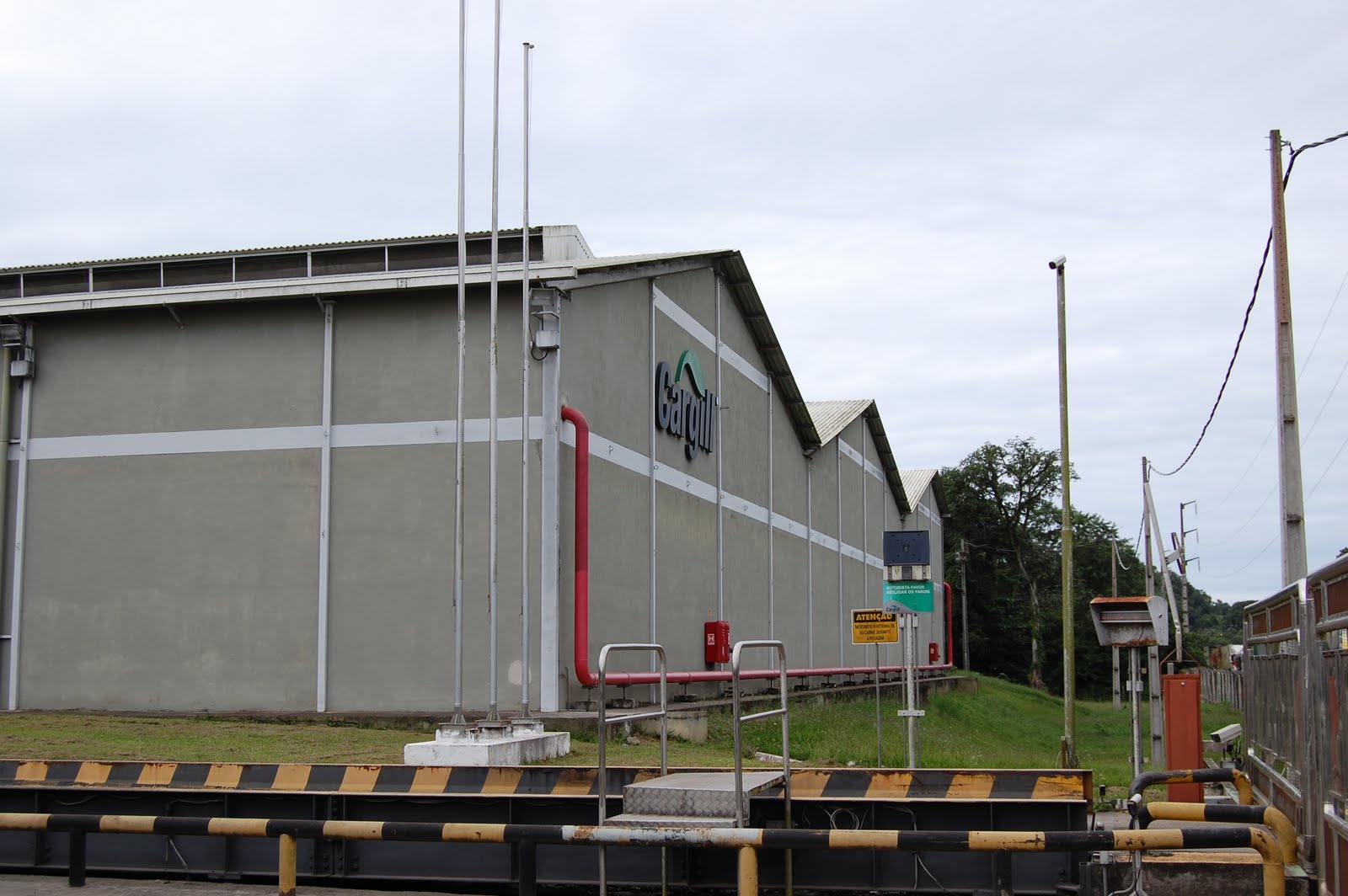
After the chocolate factory we went to the Ilheus Cargill Cacao plant. They explained to us there about the global company of Cargill and all of it's business, and just how a plant goes from Cacao fruit to the chocolate we eat or a number of other products. While Cacao is a very large business for Brasilians, because of the terrible fungus of Witches Broom that kills off so many of the trees, the major producers of Cacao are actually countries in western Africa. We learned a lot, even though we didn't get to see the factory, and they provided us a great lunch!

We spent the afternoon visiting downtown Ilheus and the artisan market. I bought a few gifts for my daughter, Anna, and I think the students found a few things they liked, too! We hung out for a bit on a patio at a restaurant and then headed out.


As we drove through various parts of the city on our way back to the hotel, I snapped some pictures out of the bus window. It is truly amazing how intertwined truly beautiful homes and buildings are with those that would be condemned and torn down in the US, but here are used for everything from homes to shops to hospitals. The last picture is the house where Dr. Pierce and Dr. Yochum are staying--they think it's very nice!


We are looking forward to a day of work AND fun tomorrow (the students are going to go kayaking on the bay), and then the arrival of CHRISTINE on Saturday!!!!